
 Market Insights
Every departing flight depends on a supply chain that most passengers never see. While tanker trucks are still visible airside at smaller fields, the world's busiest international hubs have moved almost entirely to underground hydrant systems: pressurized pipe networks buried beneath taxiways and stands that deliver filtered, on-specification jet fuel directly to the aircraft wing. Understanding this infrastructure - and the logistics that feed it - is essential for anyone involved in jet fuel procurement, trading, or airport operations.
10-15 bar
Typical working pressure of airport hydrant mains
-47 degrees C
Maximum freezing point for Jet A-1 specification
1,000+ L/min
Common into-plane delivery rate per hydrant dispenser
24/7/365
Continuous operation demanded of hub fueling networks
Anatomy of an Airport Hydrant System
The Fuel Farm and Storage Tankage
The heart of the system is the fuel farm: a battery of large cone-roof storage tanks, often holding several days of airport consumption. Tanks are fitted with floating suction lines that draw product from below the surface while allowing free water to settle at the bottom for routine draw-off. Strict grade segregation is enforced, and tank turnover schedules are planned so that every batch settles before release into the distribution loop.
Pump Houses and the Filtration Loop
Before fuel enters the underground mains, it passes through high-capacity pump sets and a multi-stage treatment train. Filter/water separators built to recognized industry standards remove particulates and coalesce free water; clay treaters strip surfactants that would otherwise disarm water-detection methods downstream; and monitor filters provide a final barrier. Pressure-regulating valves hold the network steady within its designed band, protecting both pipework and aircraft coupling equipment.
Distribution Mains Beneath the Apron
Hydrant lines are typically epoxy-lined carbon steel, welded, buried, and protected against corrosion with impressed-current or sacrificial anode systems. Low-point drains allow water and solids removal, isolation valves segment the network for maintenance without shutting down entire concourses, and periodic pigging keeps internal surfaces clean. Modern installations increasingly add leak-detection sensing and, in critical zones, double-containment piping.
Hydrant Pits, Couplers, and Into-Plane Operations
At each parking stand, flush-mounted hydrant pits house quick-connect couplers. A fueling agent attaches a hydrant dispenser cart, connects to the aircraft, and delivers fuel at controlled flow rates - often more than 1,000 liters per minute - completing a widebody uplift far faster than any bowser rotation could achieve. Dispensers carry their own filtration and metering, and every uplift is sampled, metered, and documented.
From Refinery to Wing: The Inbound Logistics Chain
A hydrant system is only as reliable as the supply chain feeding it. Product typically begins as a kerosene-range blend at a coastal or inland refinery, certified against the destination market's specification - Jet A-1 under DEF STAN 91-091 or ASTM D1655. Trading desks purchase cargoes against benchmark price assessments, arrange independent pre-shipment inspection, and coordinate discharge into airport-linked terminals or direct pipeline receipt points.
Inbound transport relies on layered modes:
- Dedicated product pipelines - the backbone for major hubs, moving batched volumes from refinery clusters with careful interface tracking between products.
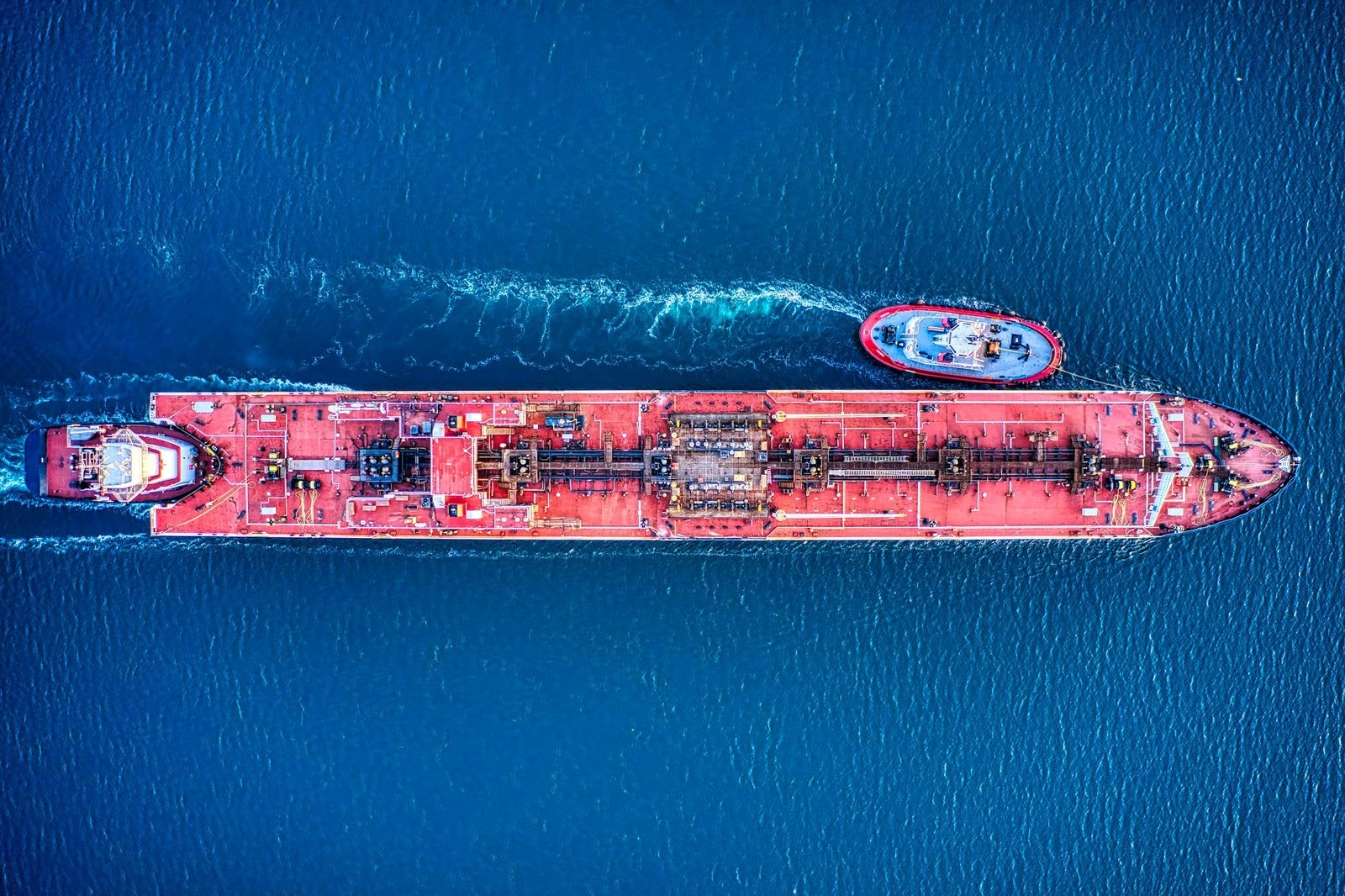
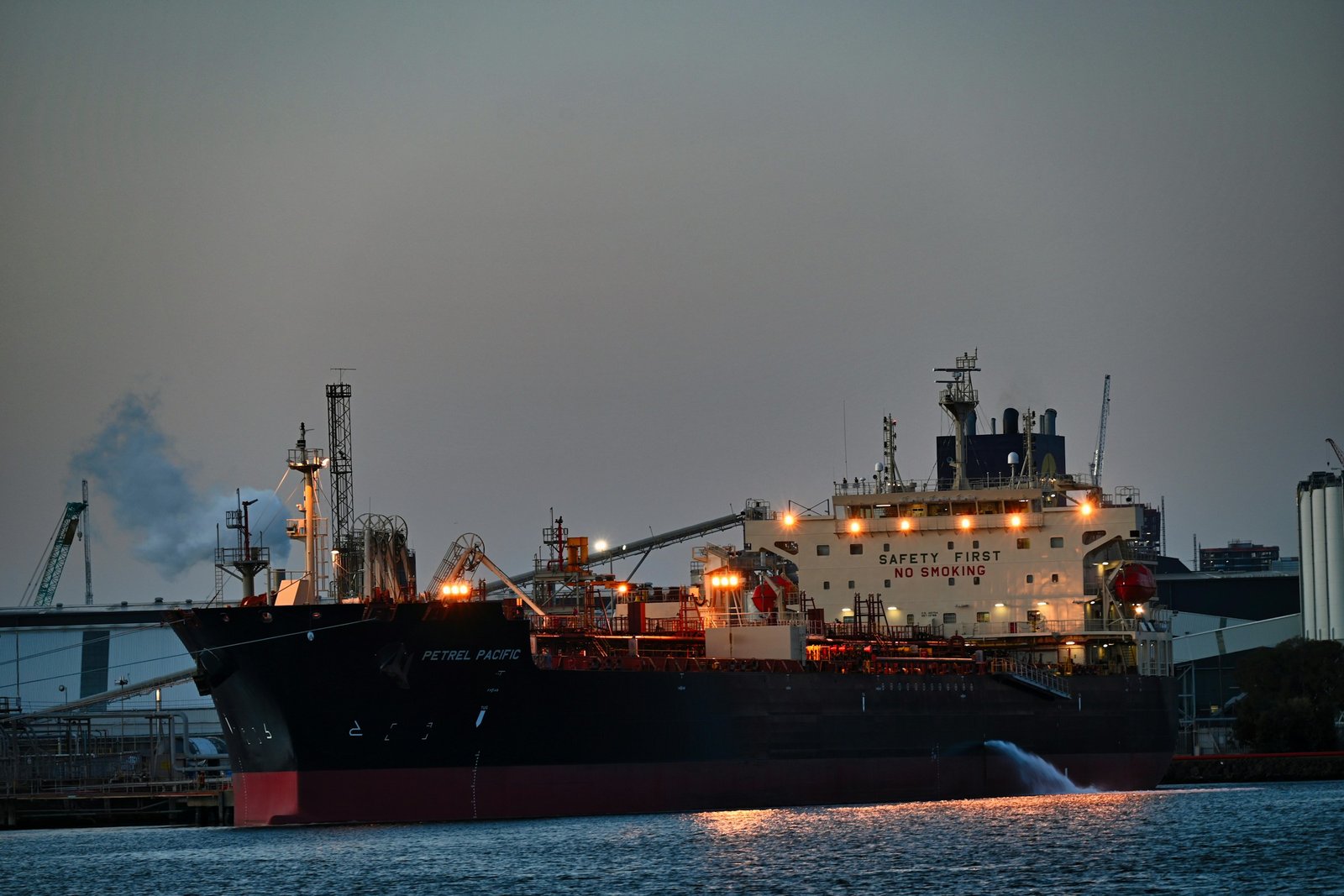
- Marine terminals and jetties - handling seaborne parcels that top up coastal airport supply zones, often requiring demurrage-sensitive berth scheduling.
- Rail tank cars and road bowsers - bridging gaps for inland fields, remote stands, and contingency supply during pipeline outages.
Scheduling is a just-in-time exercise. Operators maintain limited tank cover - frequently three to seven days of demand - while absorbing seasonal peaks, weather disruptions, and sudden schedule changes. A single missed cargo can ripple through connecting banks of departures worldwide.
Throughput at Major International Hubs
The scale of daily movement explains why hydrant logistics command such operational attention:
| Airport | Approx. Daily Volume | Primary Inbound Mode | Network Note |
|---|---|---|---|
| London Heathrow | About 15 million liters | Dedicated product pipelines | Among the largest hydrant networks in Europe |
| Dubai International | About 13 million liters | Marine terminal plus pipelines | High ambient temperatures complicate vapor and water management |
| Singapore Changi | About 11 million liters | Pipeline from island refining complex | Fully underground ring-main configuration |
| Hartsfield-Jackson Atlanta | About 9 million liters | Two interstate product pipelines | Redundant supply corridors support resilience |
| Frankfurt | About 8 million liters | Multi-product pipeline network | Central European storage and transfer hub |
Indicative figures compiled from public industry reporting; actual volumes vary by season and traffic recovery cycles.
Quality Assurance: Non-Negotiable Specification Control
Jet fuel is one of the most tightly controlled commodity products in the world. Key Jet A-1 parameters include a freezing point no warmer than minus 47 degrees Celsius, a flash point of at least 38 degrees Celsius, density between 775.0 and 840.0 kg/m3 at 15 degrees Celsius, passing results on thermal stability rig tests, and electrical conductivity held between 50 and 600 pS/m. Certification travels with the product from the refinery batch certificate through independent inspection at load port, receipt, and into-plane handover.
Ongoing airport-side controls matter just as much as origin certification:
- Water detector checks and clear-and-bright visual inspections at every uplift.
- Sump sampling and microbial growth management at tank water bottoms, including approved biocide programs when needed.
- Filtration element differential-pressure monitoring and scheduled integrity testing.
- Dead-leg flushing and low-point draining to prevent stagnation pockets in the underground network.
Why it matters: A single contaminated uplift can ground an aircraft, trigger fleet-wide inspections, and expose suppliers to multi-million-dollar liability claims. Robust quality custody transfer documentation is therefore a commercial requirement, not a formality.
Operational and Engineering Challenges
Aging Infrastructure and Congested Aprons
Many flagship networks were laid decades ago. Rehabilitation means excavating active taxiways, sequencing night works, and maintaining fueling continuity simultaneously - among the costliest civil projects an airport undertakes.
Winter and Climate Extremes
Cold snaps demand rigorous pit drainage to prevent ice formation around couplers, while extreme heat accelerates vapor issues and microbial growth risk. Design margins must span the full climatic envelope of the site.
Pressure Transients and Integrity Management
Sudden valve closures can generate damaging surge pressures. Supervisory control systems, surge anticipation, disciplined operating procedures, and continuous leak detection protect both asset life and environmental compliance.
Contamination Pathways
Pipeline batch interfaces, maintenance debris, and water accumulation are permanent threats. Layered filtration, sampling discipline, and traceable custody records are the defense.
Global Trade Dynamics Shaping Hydrant Supply
Beyond the fence line, hydrant logistics sit inside a volatile global marketplace. Hub airports depend on a narrow set of refineries and pipelines, so supply-security planning - strategic inventories, dual-sourcing, and emergency protocols - has intensified. Pricing follows international jet cargo benchmarks, meaning into-plane costs swing with freight rates, regional differentials, currency movements, and hedge positions taken months earlier. Geopolitical events that reroute shipping lanes or constrain refining capacity translate quickly into tighter airport supply windows and higher working-capital needs across the chain.
Sustainable aviation fuel adds a new layer. Drop-in blends must meet the same handling, filtration, and certification disciplines as conventional kerosene, and early adopter hubs are adapting storage, batching, and documentation workflows to accommodate them without compromising existing Jet A-1 integrity. Traders and suppliers who master both conventional and renewable streams will define the next decade of airport fueling.
Partnering with a Global-Scale Supplier
Delivering fuel reliably to a hydrant system requires more than tonnage - it demands specification fluency, logistics reach, inspection coordination, and honest communication when markets tighten. RK Petro operates at exactly that intersection, supplying specification-grade Jet A-1 and related petroleum products to buyers worldwide with complete certification chains, flexible cargo sizing, and a trading desk built for speed and transparency. Whether you manage an airport concession, an into-plane agency, or an airline fuel program, our team structures supply around your throughput reality - not the other way around.
Secure Your Jet Fuel Supply
From spot cargoes to structured term programs, our specialists deliver specification-assured product with end-to-end logistics support for international airport operations.
Request a quote and speak with our trading desk

Discussion (0)
Comments are moderated — they appear after a quick review by our team.
Leave a Comment