
 Market Insights
What Makes Avgas 100LL Different From Every Other Fuel
Because the fuel's anti-knock performance depends on precisely metered tetraethyl lead (TEL), and because piston engines have almost zero tolerance for water, particulates, or cross-contamination, purity control cannot be treated as a warehouse afterthought. It must be engineered into every stage of the supply chain â from the refinery blending header to the final filter element at the wingtip. One lapse in discipline does not merely degrade product quality; it can translate directly into detonation events, stuck valves, and in-flight power loss.
Composition: A Delicately Balanced Hydrocarbon Blend
Avgas 100LL is built from high-octane refinery streams â predominantly alkylate, catalytic reformate, and isomerate, blended with tightly limited aromatic content to protect engine internals and minimize deposits. Onto this base goes a precision additive package:
- Tetraethyl lead (TEL), dosed to a strict ceiling of 0.56 g Pb/L, delivers the octane response that high-compression aero engines demand.
- Ethylene dibromide scavenger converts lead oxides into volatile lead bromides that exit through the exhaust rather than accumulating on spark plugs and valve seats.
- Hindered-phenol and phenylenediamine antioxidants suppress oxidation and gum formation during extended storage.
- Blue anthraquinone dye provides instant visual grade identification â a critical safeguard against misfueling.
The Performance Envelope
The grade must deliver a lean-mixture motor octane number of at least 99.5 and a rich supercharge rating of 130+, protecting cylinders at full-throttle takeoff power. Its volatility is banded narrowly â typically 38â49 kPa Reid-equivalent vapor pressure for summer grades â balancing reliable cold starts against vapor lock at altitude, while a freezing point no warmer than â58°C guarantees flow in unheated wing tanks at cruise levels.
0.56 g/L
Maximum lead content per ASTM D910 â the defining "low-lead" constraint
â58°C
Maximum freezing point for uninterrupted high-altitude operation
99.5+ MON
Minimum lean-mixture octane â detonation margin at cruise power
12 months
Best-practice stock rotation window under controlled storage
Purity Control: Engineering Quality Into Every Litre
Precision Blending at the Loading Rack
Modern avgas production relies on inline blender skids governed by mass-flow meters and continuous densitometry. Component ratios are adjusted in real time against target density and octane models, while the TEL masterbatch is injected through calibrated additive pumps whose throughput is reconciled batch-by-batch. The objective is a finished parcel that sits comfortably inside specification â not one that leans on the 0.56 g/L ceiling for octane headroom.
Laboratory Verification Before Release
No batch leaves a compliant terminal without a full certificate of analysis. The core panel includes distillation profile (ASTM D86), vapor pressure (D5191), lead content (D5059), existent gum (D381), copper-strip corrosion (D130), water reaction (D1094), sulfur (D5453), and freezing point (D2386). Accredited laboratories archive sealed retain samples for a minimum of twelve months, creating an auditable physical record behind every shipment document.
The Contamination Threat Matrix
Four contaminant families dominate real-world avgas incidents:
- Free water â condensed in partially filled tanks, it pools at tank bottoms, encourages corrosion, and can reach carburetors as icing crystals at altitude.
- Microbial sludge â colonies at the fuelâwater interface produce biomass and acids that foul screens and filters.
- Particulates â hose lint, rust scale, and gasket debris; anything coarser than a few microns threatens metering units and injector passages.
- Cross-contamination â the most dangerous category of all.
Critical Integrity Rule
Even traces of kerosene-range jet fuel in Avgas 100LL depress octane ratings sharply â enough to trigger detonation at takeoff power. Conversely, avgas burned in a turbine engine leaves lead deposits that damage blades and combustors. Ethanol picked up from multiproduct road equipment is equally insidious: it leans the mixture, attracts water, and swells elastomer seals. Dedicated equipment is not a preference â it is a non-negotiable protocol.
Static Electricity and Safe Transfer Discipline
Gasoline-class fuels carry extremely low electrical conductivity, making static accumulation a genuine ignition hazard during loading and drumming. Compliant operations enforce bonding and grounding continuity checks, submerged or bottom loading to eliminate splash filling, controlled initial fill velocities, and a settling period before open gauging. Every transfer point â rack, tanker, terminal tank, drum line â follows the same written sequence, verified by checklist.
Logistics Protocols Across the Global Supply Chain
Dedicated Infrastructure, End to End
Best-in-class logistics networks assign segregated pipelines, dedicated tankage, and product-exclusive hoses and gaskets to avgas service. Where multiproduct manifolds are unavoidable, validated pigging and purge sequences with documented interface cuts are mandatory â though most quality-focused operators simply prohibit shared lines entirely. Tank farms serving avgas maintain scheduled water draws, filter differential-pressure trending, and periodic tank inspections to confirm coating and roof-seal integrity.
Classification, Packaging, and Marine Movement
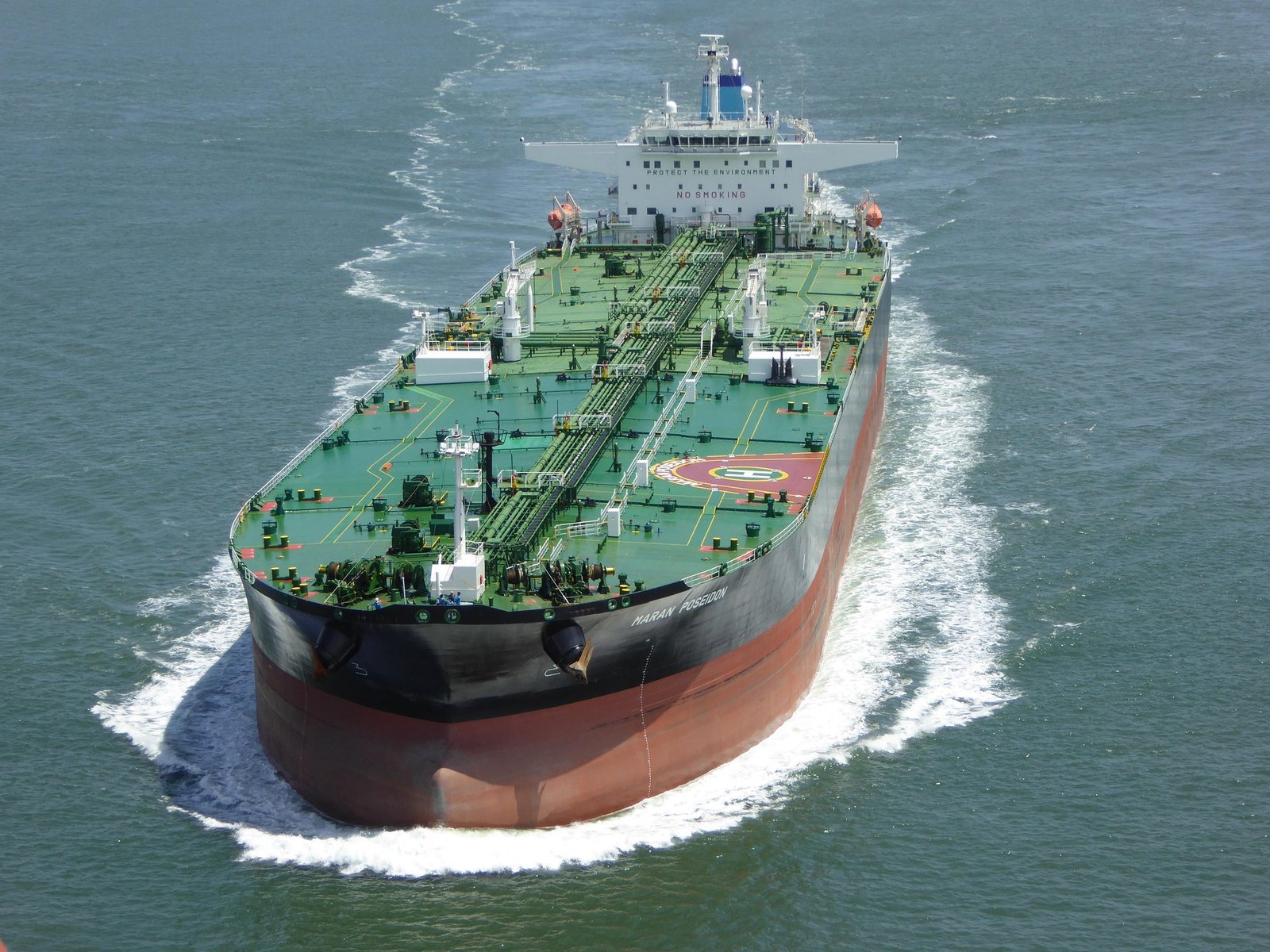
In international commerce, Avgas 100LL moves as UN 1203, Class 3 flammable liquid, Packing Group II under IMDG, ADR, and RID frameworks. Its flash point sits far below ambient temperatures, so stowage plans prioritize ventilation and heat separation. Packaging options are equally disciplined:
- New 200-litre steel drums, optionally internally lined, filled with controlled ullage for thermal expansion and frequently nitrogen-blanketed to exclude oxygen and moisture from the headspace.
- ISO tanks for larger parcels, selected with compatible seals and verified cleaning histories.
- No flexitanks â flexible bladder systems are unsuitable for low-flash Class 3 cargoes and are excluded from compliant avgas programs.
Terminal Discipline and the Airport Handover
Quality obligations continue to the last metre. Aligned with ATA Specification 103 and Joint Inspection Group (JIG) guidance, receiving airports perform clear-and-bright visual checks, white-bucket sampling, water-detecting paste on gauging tapes, and monitor-element filtration capable of intercepting both solids and free water before uplift. Differential-pressure logs across filter vessels are trended, not merely recorded â a rising curve is treated as an early-warning signal, not a footnote.
Documentation and Chain of Custody
Every custody transfer generates evidence: batch-numbered certificates of analysis, safety data sheets, seal numbers logged at stuffing and de-vanning, tamper-evident closures, and digital batch genealogy linking refinery release to the final delivery note. When an operator asks, "Prove what is in this drum," the answer must already exist â organized, timestamped, and complete.
Global Trade Challenges in the Avgas Market
Regulatory Fragmentation
Leaded fuel disappeared from the world's roads when Algeria â the final holdout â phased it out in 2021, yet aviation exemptions vary widely by jurisdiction. Some markets impose excise surcharges or import-licensing regimes on leaded products; others restrict volumes or require special environmental permits. Exporters must map destination-country rules before chartering tonnage, because a compliant cargo arriving without the right paperwork is, commercially speaking, not compliant at all.
Seasonal Volatility Matching
Vapor-pressure grades are tuned to destination climate. Shipping avgas across hemispheres or from temperate refineries into tropical markets demands forward planning: a winter-grade volatility profile delivered into equatorial heat invites hot-weather vapor lock, while the reverse mismatch produces cold-start failures. Sophisticated traders build seasonal calendars into their order books months ahead of physical movement.
Maritime Constraints and Route Volatility
Low-flash Class 3 stowage rules narrow the pool of suitable vessels and command freight premiums. Long transits quietly consume shelf life, and disruptions along chokepoints â canal drafts, security reroutings, port congestion â stretch lead times unpredictably. Prudent suppliers hold buffer inventory at regional hubs and quote realistic validity windows rather than optimistic ones.
The Coming Unleaded Transition
Industry initiatives such as the FAA-led EAGLE program target a lead-free general aviation fleet by the end of 2030, and early high-octane unleaded approvals are already entering select markets. Until those alternatives achieve global availability, however, 100LL remains the operational standard â and the suppliers who thrive will be those who guarantee today's grade flawlessly while preparing tomorrow's portfolio.
Specification Snapshot: Avgas 100LL per ASTM D910
| Property | Specification | Why It Matters |
|---|---|---|
| Motor octane number, leanASTM D2700 | ⥠99.5 | Detonation margin at cruise and climb power settings |
| Supercharge rating, richASTM D909 | ⥠130 | Full-throttle takeoff protection in high-output engines |
| Lead contentASTM D5059 | ⤠0.56 g/L | Valve-seat protection without excessive exhaust deposits |
| Vapor pressureASTM D5191 | 38â49 kPa | Balances cold-start reliability against vapor lock at altitude |
| Freezing pointASTM D2386 | ⤠â58°C | Uninterrupted fuel flow in unheated wing tanks |
| Existent gumASTM D381 | ⤠6 mg/100 mL | Keeps carburetors, injectors, and induction systems clean |
| Copper-strip corrosionASTM D130 | ⤠No. 1 | Protects fuel-system metals from corrosive sulfur species |
| Sulfur contentASTM D5453 | ⤠0.05 % m/m | Limits cylinder wear and exhaust-side corrosion |
| Water reactionASTM D1094 | Clean interface | Reveals alcohol or surfactant contamination instantly |
Representative values for Grade 100LL. Seasonal volatility classes and full limit sets are governed by the controlling specification in force at the point of sale.
Why Operators Worldwide Choose RK Petro
RK Petro has built its reputation on a simple conviction: aviation fuel is a promise, not a commodity. Our integrated program combines dedicated storage, independent verification, and trade-grade logistics into a single accountable supply chain.
Dedicated Avgas Assets
Segregated tankage, exclusive transfer lines, and purpose-built drumming stations eliminate the multiproduct contamination pathways that compromise lesser supply chains.
Independent Lab Verification
Every parcel is certified through accredited ISO 17025 laboratories, with sealed retain samples archived for twelve months behind each certificate of analysis.
Compliant Global Freight
UN 1203 / IMDG Class 3 expertise, UN-certified drum programs, and vetted vessel partners move cargo safely from terminal to tarmac-side delivery.
Full Chain-of-Custody Records
Batch genealogy, seal logs, and inspection reports travel with every shipment â audit-ready documentation for FBOs, flight academies, and government buyers alike.
Regional Buffer Stock
Strategically positioned inventories across Africa, the Middle East, Asia-Pacific, and Latin America absorb transit delays and seasonal demand spikes.
Sector-Specific Service
From aerial-application fleets and mining camps to humanitarian and UN-chartered aviation, we tailor packaging, cadence, and documentation to each mission profile.
Our Quality Signature
Every litre RK Petro ships carries a verifiable identity: a batch number, a laboratory signature, and an unbroken seal history from loading rack to delivery point. If we cannot prove it, we do not ship it.
Secure Your Avgas 100LL Supply Chain
Request a quotation, review a sample certificate of analysis, or speak with our trading desk about seasonal volatility planning and regional stock availability. Our technical team responds within one business day.
Request a Quotation Download Sample CoA Package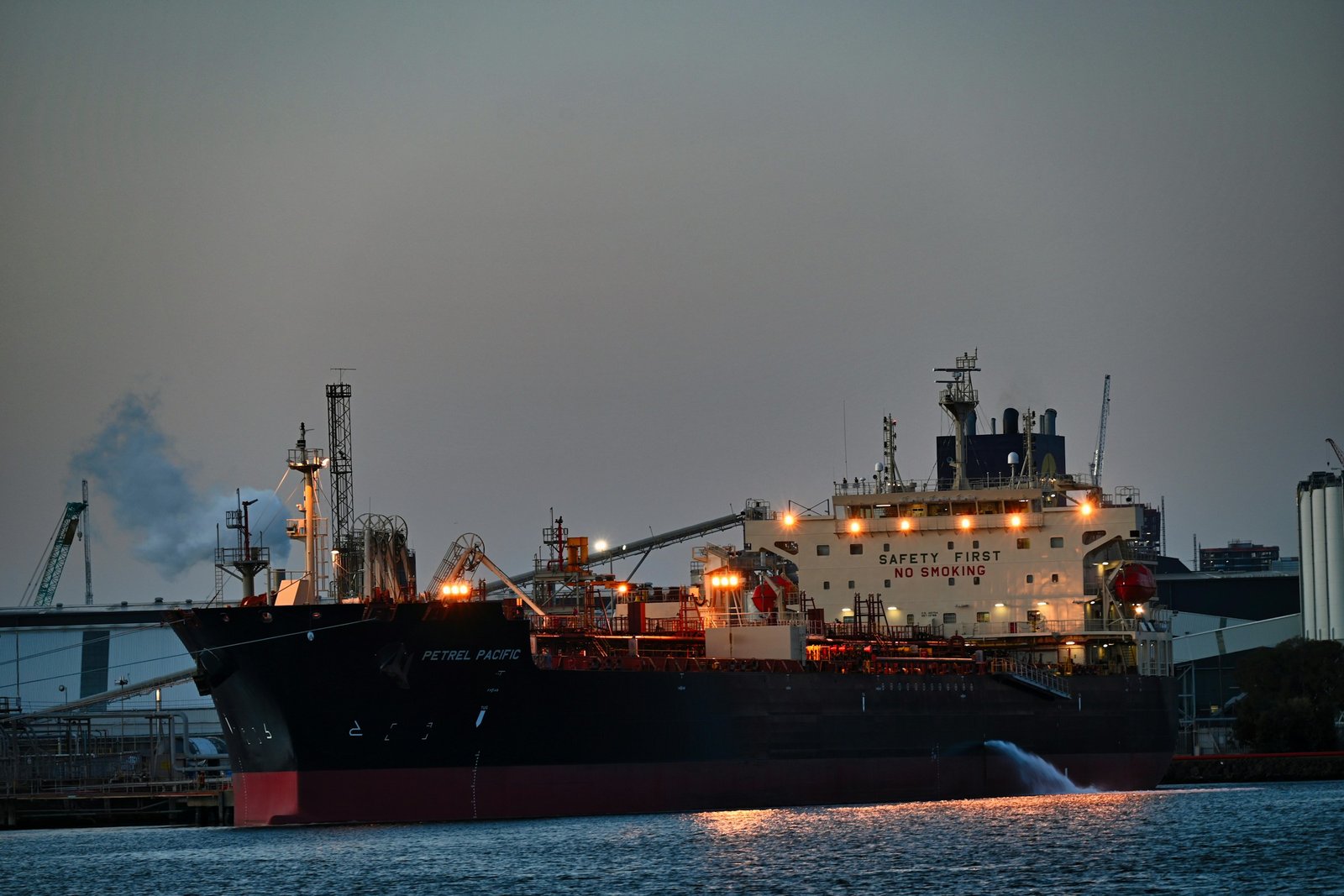

Discussion (0)
Comments are moderated — they appear after a quick review by our team.
Leave a Comment